TechIDaily

The Autonomous Code Generation Stack: Evaluating Cursor Multi-File Composer vs. Replit Agent Sandboxed Cloud Runtimes
By TechIDaily Systems and AI Engineering Lab · Published 2026-10-20
The landscape of software development is undergoing a fundamental transformation from assisted autocomplete toward fully autonomous agentic code generation. Historically, AI coding assistance operated at the token-prediction layer (single-line completion via inline heuristics). Today's production workloads demand multi-file coordination, Abstract Syntax Tree (AST) mutations, dependency tree reconciliation, and deterministic cloud sandboxing.
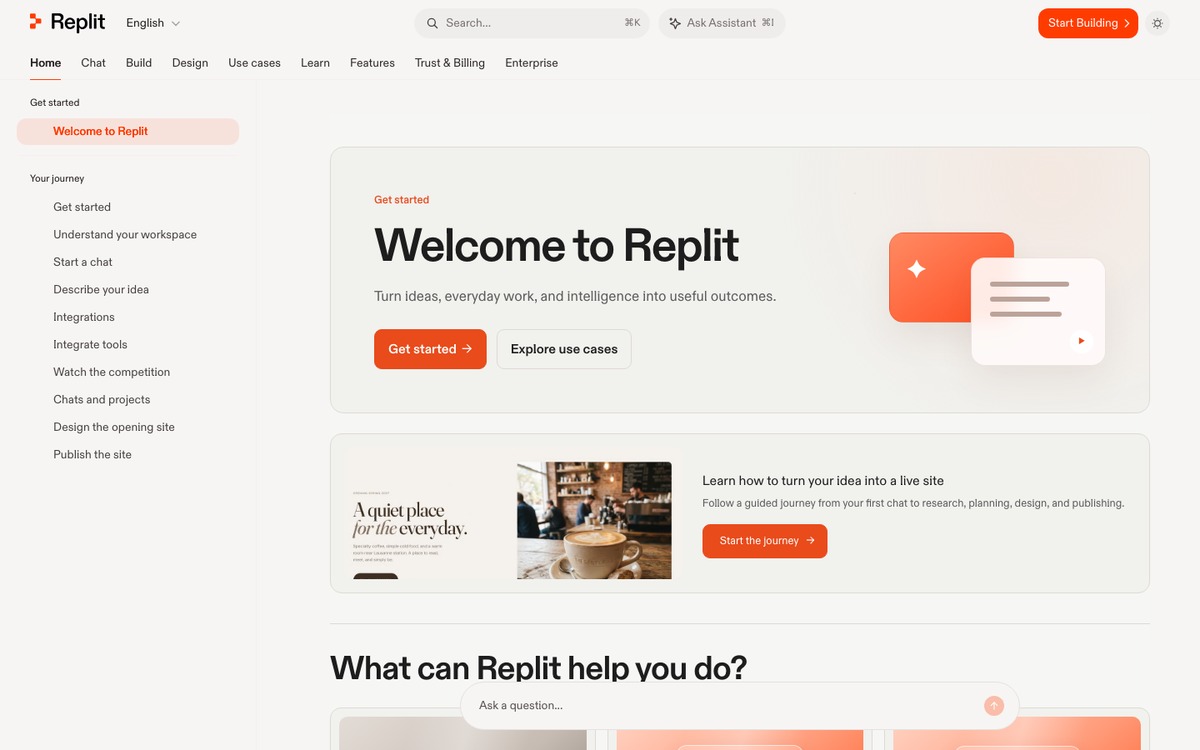
Two distinct architectural philosophies have emerged at the vanguard of this transition: Cursor, which embeds contextual semantic graph indexing directly into a native desktop editor fork (VS Code), and Replit, which provisions full-stack serverless sandboxed runtimes managed by the autonomous Replit Agent. This technical report analyzes the operational mechanics, AST synchronization, and developer velocity trade-offs between both platforms.
1. Architectural Topologies: Local AST Indexing vs. Remote Cloud Sandboxing
The diagram below contrasts the execution loop of Cursor local repository embeddings against Replit Agent's cloud container sandbox:


2. Technical Comparison Matrix: Cursor vs. Replit Agent
| Architectural Dimension | Cursor Pro | Replit Agent | Legacy Copilot |
|---|---|---|---|
| Execution Environment | Local Native Desktop (Apple Silicon / x86) | Ephemeral Nix Container (Cloud) | IDE Plugin Service |
| Context Indexing Engine | Semantic Embeddings + AST Tree-Sitter | Full Workspace Container File Tree | Current Open Tabs Only |
| Multi-File Simultaneous Editing | Yes (Composer Unified Diffs) | Yes (Autonomous Repo Synthesis) | No (Single File Inlines) |
| Automated Dependency Setup | Requires Local Package Manager | Native Nix Package Autoinstall | None |
| Database & Secret Management | Local .env / Vault | Cloud Key-Value & PostgreSQL Engine | None |
| Model Context Protocol (MCP) | Native Direct stdio / SSE Client | Webhook Integration | Not Supported |

3. Implementation Blueprint: Structuring Multi-Agent MCP Integration
When scaling autonomous software development, integrating the Model Context Protocol (MCP) enables Cursor to query external staging databases, cloud logs, and performance metrics directly from the Composer interface:
4. Architectural Verdict & Deployment Recommendations
- System 1 Velocity (Cursor): When refactoring production codebases with tens of thousands of lines, Cursor delivers sub-second latency and absolute AST context retention without data ever leaving your verified compliance boundary.
- System 2 Autonomy (Replit Agent): For Greenfield MVPs, autonomous package resolution, and zero-configuration cloud delivery, Replit eliminates developer environment configuration entirely.